
 Irene Morgan


HOW INDOOR THCA FLOWER GETS ITS FLAVOR: THE SCIENCE BEHIND CONTROLLED GROWING
Crack open a jar of well-grown indoor THCA flower and the smell fills the room. Citrus, diesel, pine, berries, gas — whatever the strain’s profile, indoor-grown flower delivers it with more intensity and clarity than most outdoor or greenhouse alternatives THCA King Bulk Flower. That’s not a coincidence. It’s the direct result of how indoor cultivation works.
Controlled Environments Produce Controlled Results
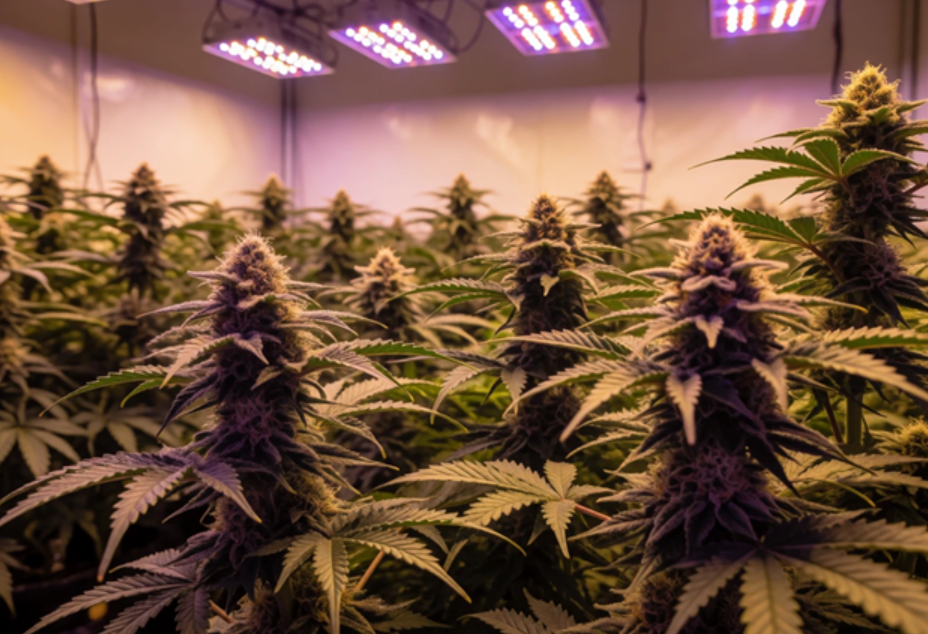
Indoor growing is all about eliminating variables. Temperature stays within a tight range. Humidity is dialed to the exact percentage each growth stage demands. Light intensity, spectrum, and duration are set by the grower, not the weather.
This matters for flavor because terpenes — the aromatic compounds responsible for how flower smells and tastes — are volatile. They evaporate easily when exposed to heat, UV light, and humidity swings. Outdoor plants endure all of those conditions daily. Indoor THCA flower doesn’t.
When a grower can hold the flowering room at 75°F during the day and drop it to 65°F at night, terpene preservation improves dramatically. That temperature swing also triggers color changes in certain strains, producing the deep purples and blues that signal careful cultivation.
Light Spectrum and Terpene Development
Modern indoor grows use full-spectrum LED lighting that can be adjusted throughout the plant’s lifecycle. During the flowering stage, specific wavelengths encourage terpene and resin production. Growers can push the plant to produce more of the aromatic compounds that define each strain’s character.
Outdoor plants get whatever the sun provides. That’s fine for growing large volumes of flower, but it doesn’t allow the precision that indoor lighting offers. The result is measurable — lab-tested indoor THCA flower frequently shows higher total terpene percentages than the same strain grown outdoors.
Nutrients and Flushing
What goes into the plant affects what comes out when you smoke it. Indoor growers control the exact nutrient mix reaching the roots at every stage. During the final two weeks before harvest, most quality operations run a “flush” — feeding the plant only water to clear residual nutrients from the tissue.
A proper flush produces cleaner smoke with smoother flavor. Flower that wasn’t flushed well can taste harsh or leave dark ash. This step is easier to manage in indoor setups where every variable is tracked, which is another reason indoor THCA flower tends to smoke cleaner.
Strain Expression at Its Peak
Every cannabis strain has a genetic potential for aroma and flavor, but reaching that potential depends on the growing environment. Indoor cultivation lets a strain fully express its terpene profile because nothing is working against it.
A Gelato grown indoors will hit those creamy, sweet, slightly minty notes it’s known for. That same Gelato grown outdoors in fluctuating conditions might still be good flower, but the terpene expression won’t be as sharp or defined.
This is why strain-specific shoppers tend to gravitate toward indoor THCA flower. If you’re choosing a strain because of its flavor profile, you want the version that actually delivers that profile at full strength.
Recognizing Quality Indoor Flower
Dense buds with visible trichome coverage, a strong and distinct aroma straight out of the bag, smooth white ash when smoked, and a flavor that matches the nose — those are the markers. Indoor THCA flower that checks all four was grown by someone who understands how environment shapes the final product.
Price reflects that effort, but for anyone who prioritizes flavor and aroma, indoor growing produces results that other methods can’t match consistently. …